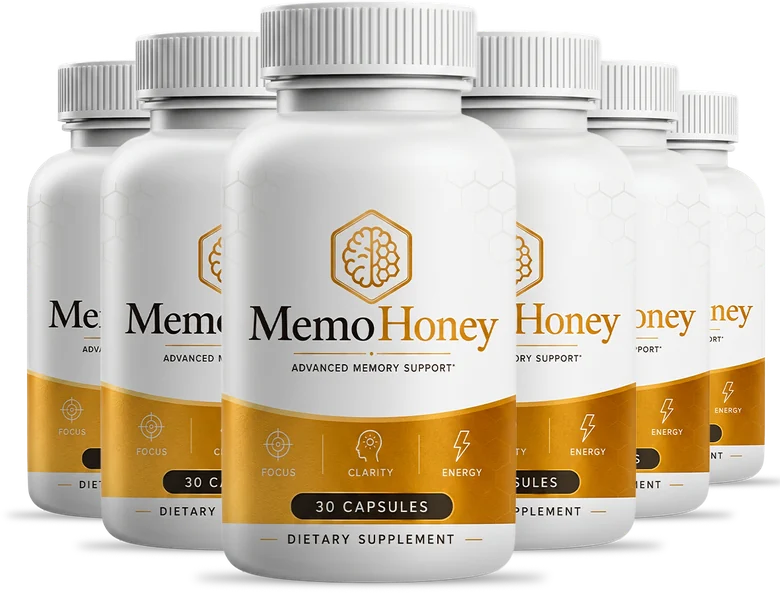
Undisclosed Dosing: Why It Matters Most For Cognitive Botanicals Specifically
A label that discloses some doses and not others is common across the supplement industry — but for cognitive-support ingredients like Bacopa and Ginkgo, the gap matters more than it would for a general vitamin.
Understanding why dose-response is so central to cognitive botanical research helps explain what an undosed label actually costs you as a buyer.
The two halves of MemoHoney's label
Seven ingredients — Niacin, Calcium, both L-Arginine forms, both L-Citrulline forms, and Beta-Alanine — carry exact milligram amounts. Five — Astaxanthin, Ginkgo Biloba, Bacopa Monnieri, Honey and Blueberry — do not.
Why this split is not random
The dosed ingredients are largely commodity compounds (amino acids, a B-vitamin, a mineral) with straightforward, standardised forms. The undosed ingredients are mostly botanical extracts, where standardisation and sourcing genuinely vary more between suppliers — which is also, not coincidentally, where formulators have more flexibility to use less material without an obvious visual or taste difference.
Why dose-response matters especially for Bacopa and Ginkgo
Clinical research on cognitive botanicals has repeatedly found dose-dependent effects: too little of the active compound, and measurable cognitive benefits often do not appear at all in trials, even though the ingredient is technically present. This is different from, say, a vitamin, where even a modest amount contributes something toward daily requirements. A trace amount of Bacopa may functionally do very little.
What you can still do without the numbers
Check which ingredients are quantified versus not. A label that discloses some amounts is more transparent than one that discloses none, even if the disclosure is uneven.
Compare the dosed portion against research ranges. If the circulation-support aminos here (400mg combined L-Arginine forms, 200mg combined L-Citrulline forms) sit below typical 6-8 gram research doses for L-Citrulline specifically, that tells you something directional about the whole formula's likely potency philosophy.
Ask the seller directly. A straightforward email asking for the Bacopa standardisation and milligram amount is a reasonable, low-effort step before committing to months of daily use.
Applying this to MemoHoney
MemoHoney discloses dosing for seven of twelve ingredients, leaving its most cognitively relevant botanicals — Bacopa Monnieri and Blueberry — unquantified. That is a common industry pattern, disclosed honestly here rather than glossed over. See our full 90-day assessment for how this weighs against the formula's genuine strengths.