The Dual Nitric-Oxide Pathway: Why Two Amino Acids Beat One
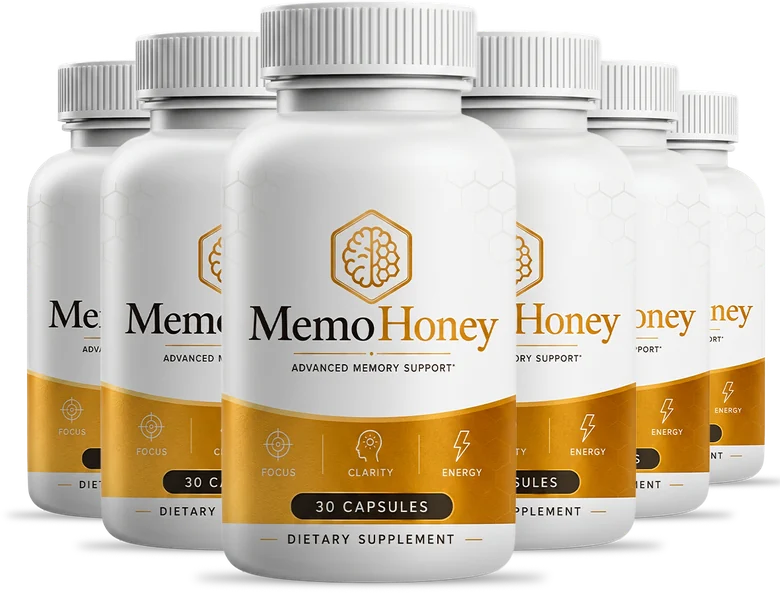
MemoHoney includes both L-Arginine and L-Citrulline, each in two different forms, all feeding the same nitric oxide pathway responsible for healthy blood flow.
This layered structure is a genuinely sound design choice, and it happens to be the best-dosed part of the entire label.
What nitric oxide does
Nitric oxide is a signalling molecule produced by cells lining blood vessels, telling surrounding muscle to relax — a process called vasodilation. Wider blood vessels allow more blood, oxygen and nutrients to reach tissue, including, the brand argues, the brain.
Why L-Citrulline solves a problem with direct L-Arginine
Directly supplemented L-Arginine is subject to significant first-pass metabolism — a meaningful portion is broken down in the gut and liver before reaching the bloodstream. L-Citrulline takes a different route: absorbed in the small intestine and converted to L-Arginine primarily in the kidneys, largely bypassing that limitation. Research on this pathway is indexed on PubMed.
Why MemoHoney includes both anyway
Rather than choosing one or the other, MemoHoney includes direct L-Arginine (in two forms) alongside L-Citrulline (also in two forms), giving the pathway multiple points of entry. This is a genuinely more thoughtful design than a single-amino-acid competitor.
Why this is the best-dosed part of the label
Unlike Bacopa Monnieri or Ginkgo Biloba, all four circulation-support ingredients here carry exact milligram amounts: L-Arginine 200mg, L-Arginine AKG 200mg (2:1 extract), L-Citrulline HCl 100mg, and L-Citrulline Malate 100mg. That means this specific mechanism is fully verifiable against published research doses, unlike the botanical half of the formula.
Applying this to MemoHoney
The dual amino-acid pathway is the most fully dosed part of MemoHoney's formula, even though the combined amounts sit below typical circulation-focused research doses. It is a well-designed mechanism; whether the specific quantities reach a clinically meaningful threshold is a separate, harder question.